How fragmented information shape driver operations
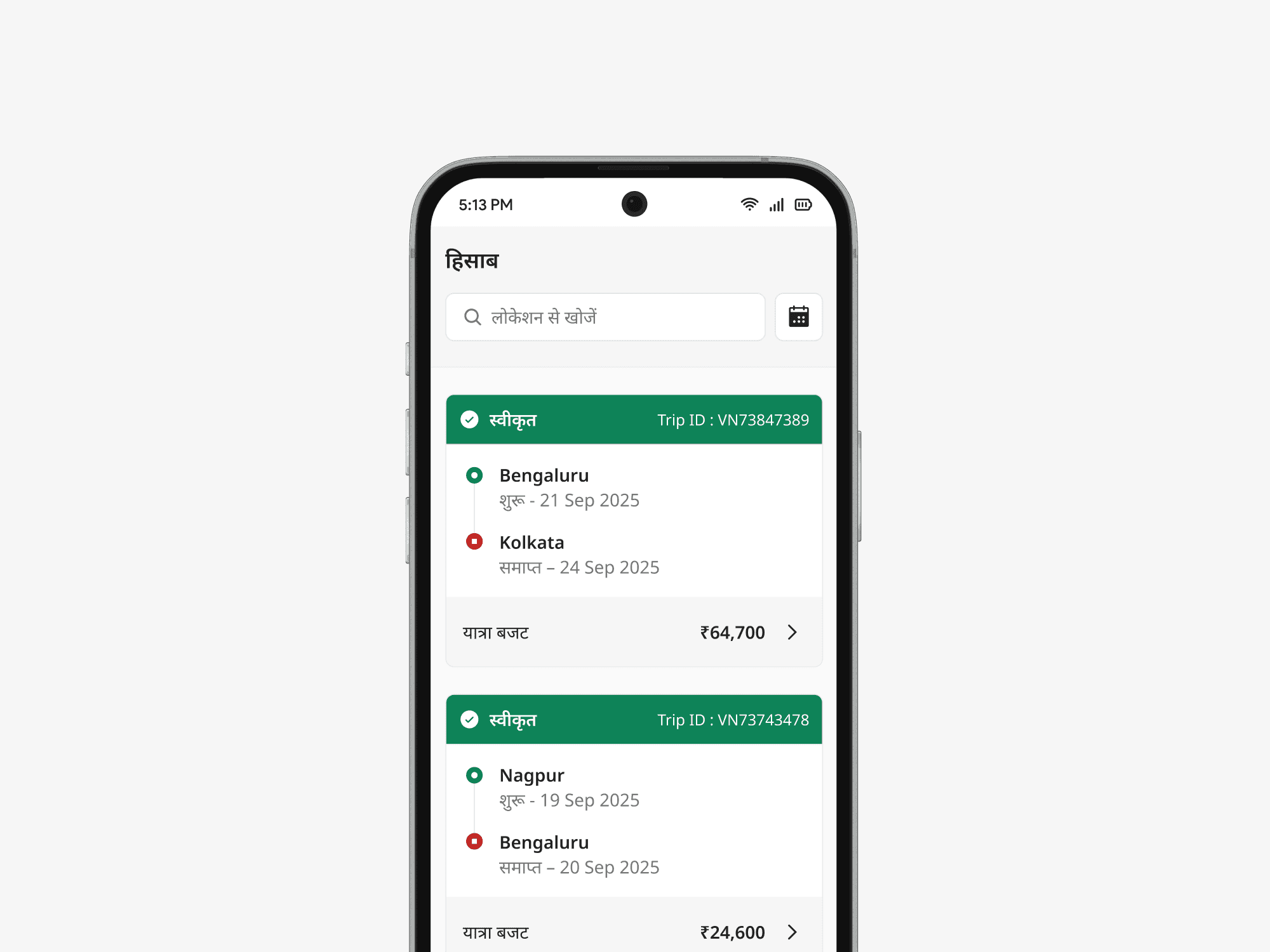
Truck drivers operate almost entirely on verbal instructions and memory. Trip details, budgets, and settlements are discussed on calls, with no persistent record to refer back to. Once a trip ends, hisaab happens over the phone, often vague, often delayed, and usually controlled by whoever had more information.
Drivers dont have:
Visibility into upcoming trips
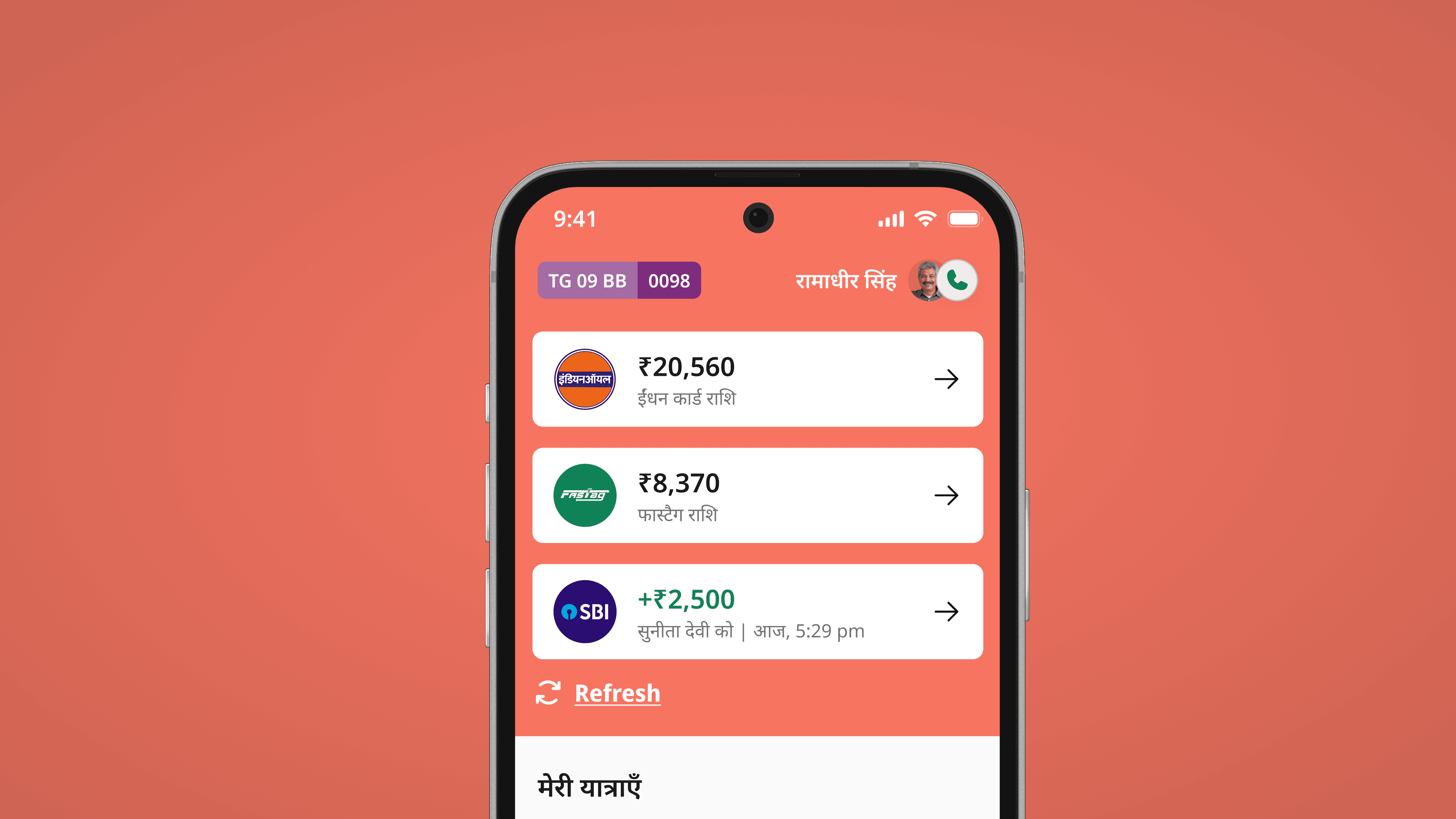
A clear record of trip budgets or expenses
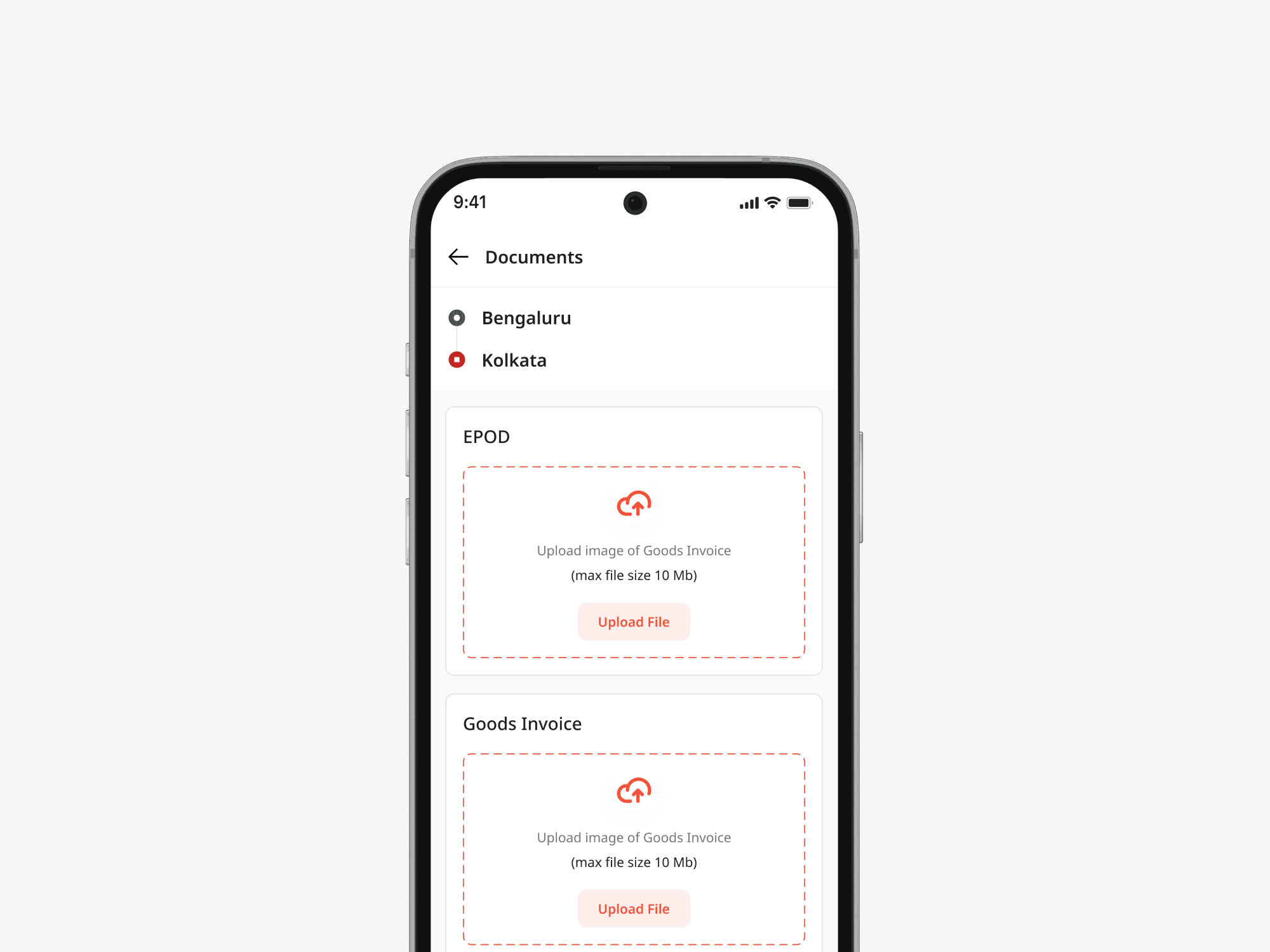
Any ownership over documents or work history
This makes daily operations fragile and long-term career mobility almost impossible.
55%
of truck in India lack an available driver
22 Lakhs
is the approximate driver shortage for freight movement
60%
of truck drivers report fatigue due to poor trip planning and long hours
ROOT CAUSE
System opacity at the driver level
Operational tools focused on owners, tracking systems focused on vehicles, and documentation lived elsewhere. Drivers remained dependent on verbal communication, even though they were central to execution.
This exclusion reinforced two things:
Dependence on constant verbal coordination
No ownership over work history, documents, or proof of experience
Information asymmetry
What this meant on ground
For drivers
Relying on memory and calls during trips
No way to verify budgets or expenses mid-journey
Documents shared late, misplaced, or followed up manually
For fleet owners, this created parallel issues:
Dependence on VTS alone for tracking
Manual collection of POD and LR documents
Frequent calls for updates already happening on ground
EXPLORATION & DESIGN
Designing for clarity under constraints
Research was conducted on-site in Delhi and Hyderabad, alongside drivers during active trips.
Early prototypes failed because reading itself wasn’t guaranteed.
Several drivers navigated phones purely through:
Icons
Numbers
Familiar visual patterns
The design direction shifted accordingly:
Text reduced to essentials
Visual hierarchy amplified
Large, high-contrast actions prioritised
The product was intentionally kept simple:
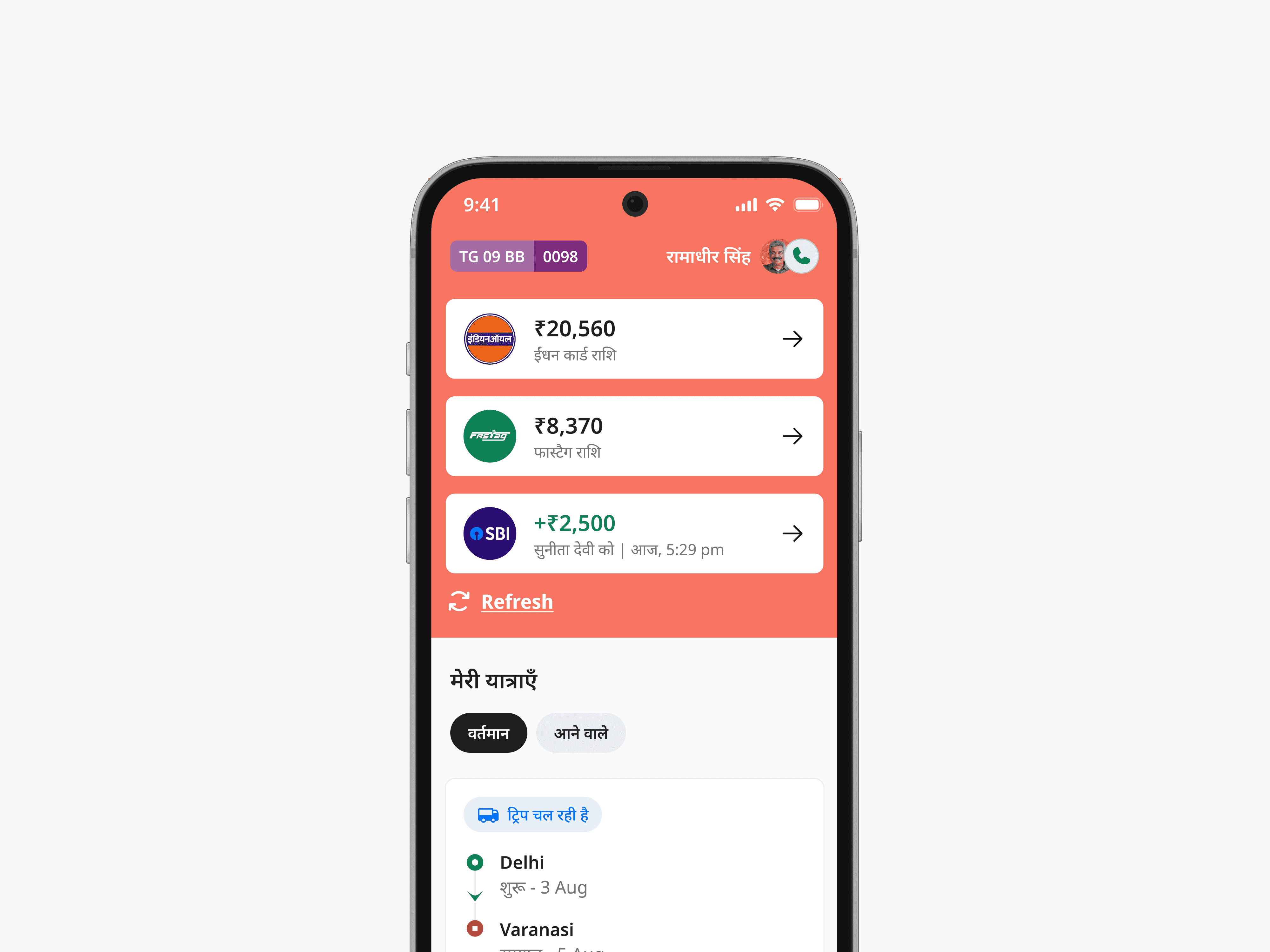
Trip details
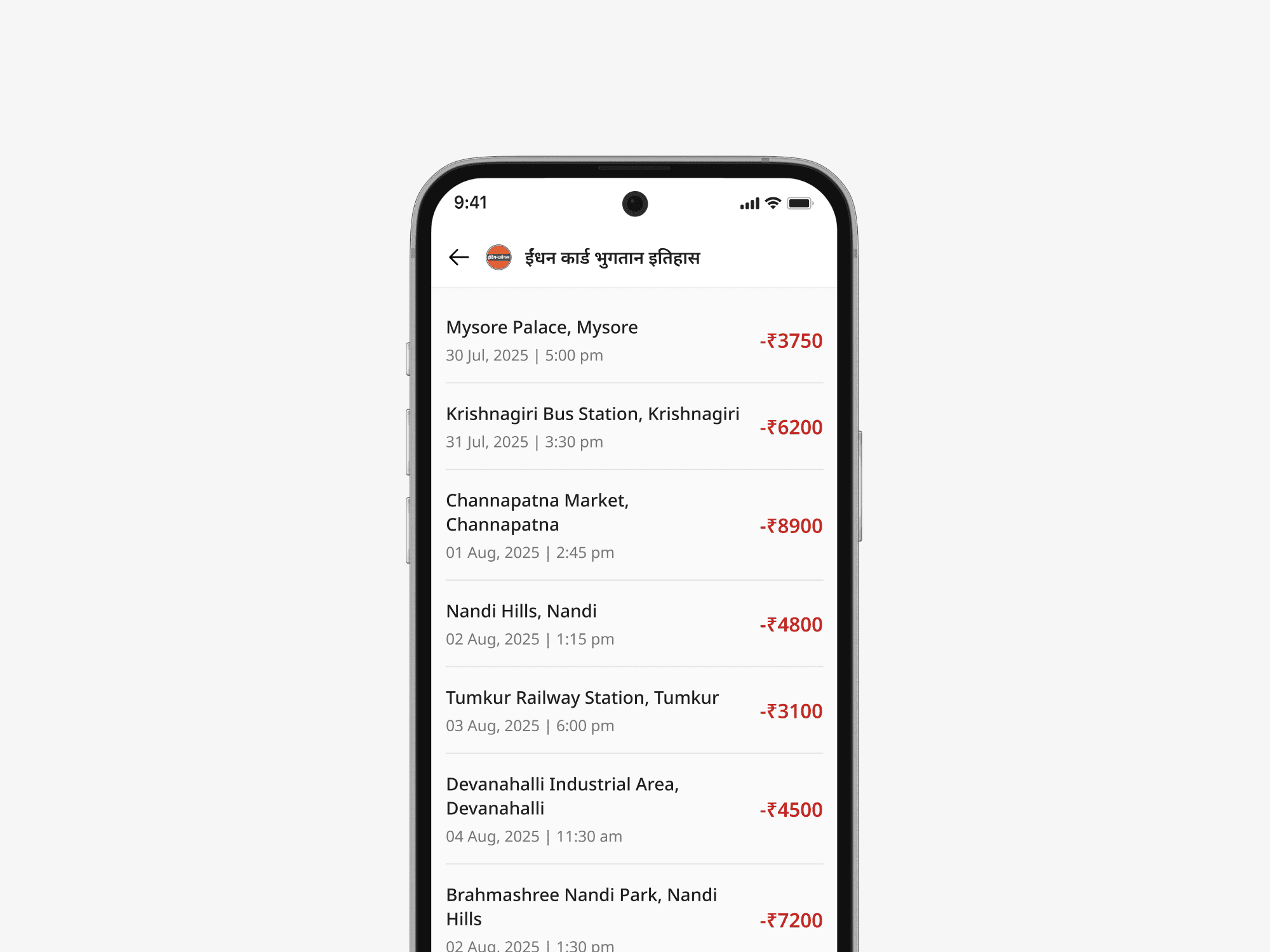
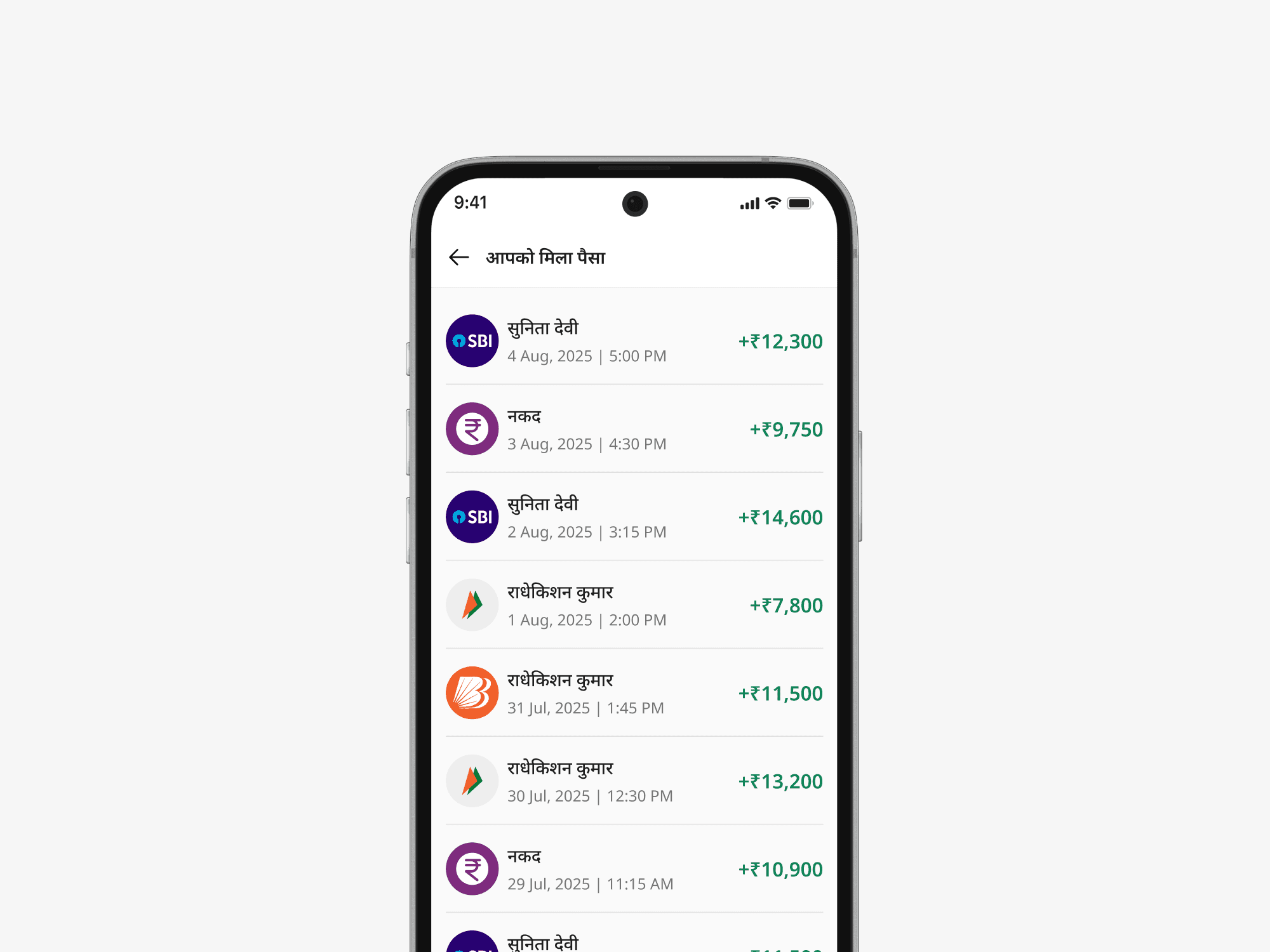
Budget and expenses
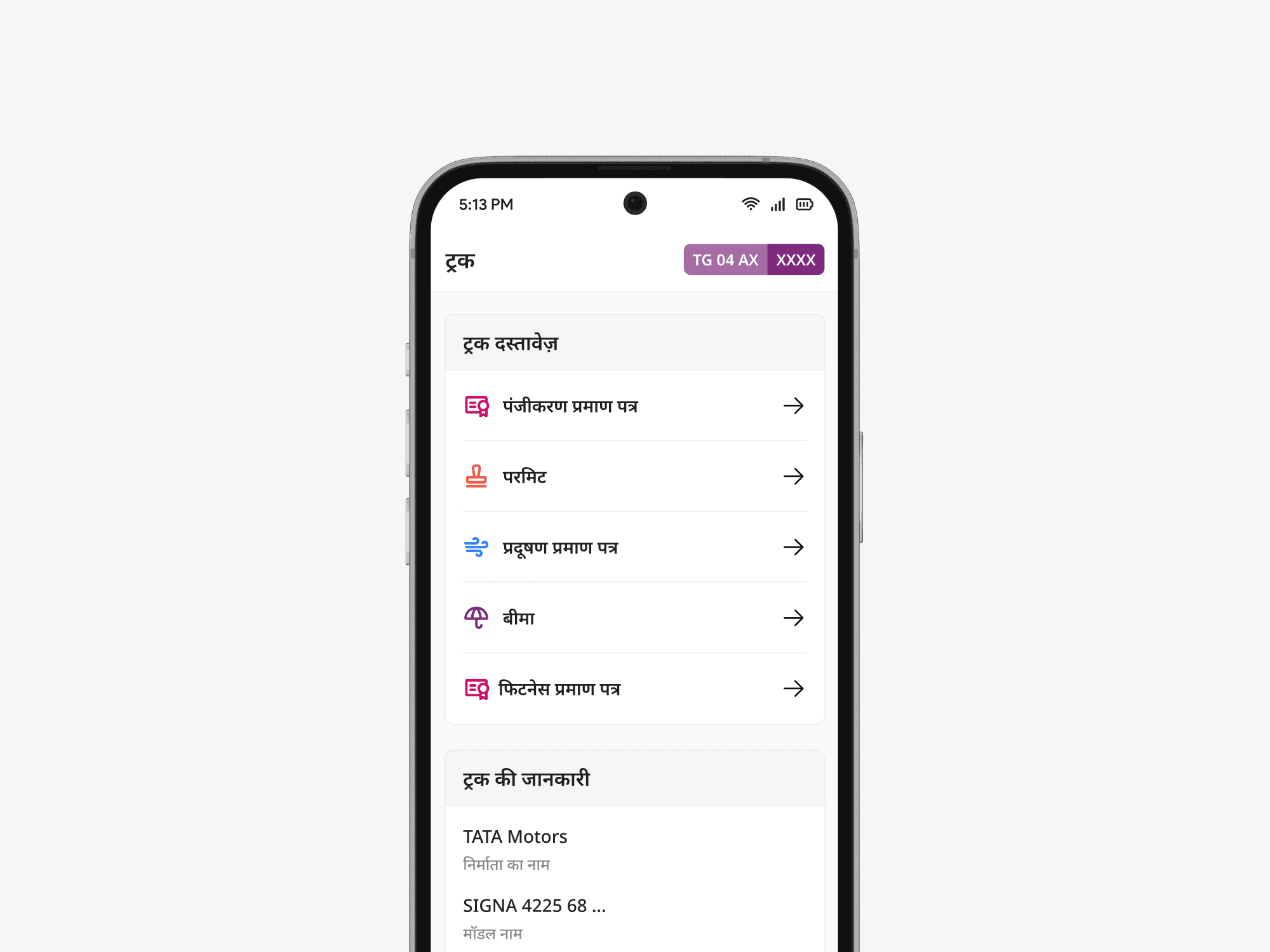
Document uploads
Driver profile
Android-only, bilingual (Hindi and Telugu), and usable mid-trip—without explanation.